01
Brake system
Review rotor and caliper package, master cylinder, booster or manual ratio, valves, lines, hoses, parking brake, fluid, wheel clearance and tire capability.
Brake and suspension upgrades should make the car more predictable for its real use. Component lists matter less than hydraulic balance, geometry, spring and damper control, tire grip, wheel clearance and how each change affects the rest of the chassis.
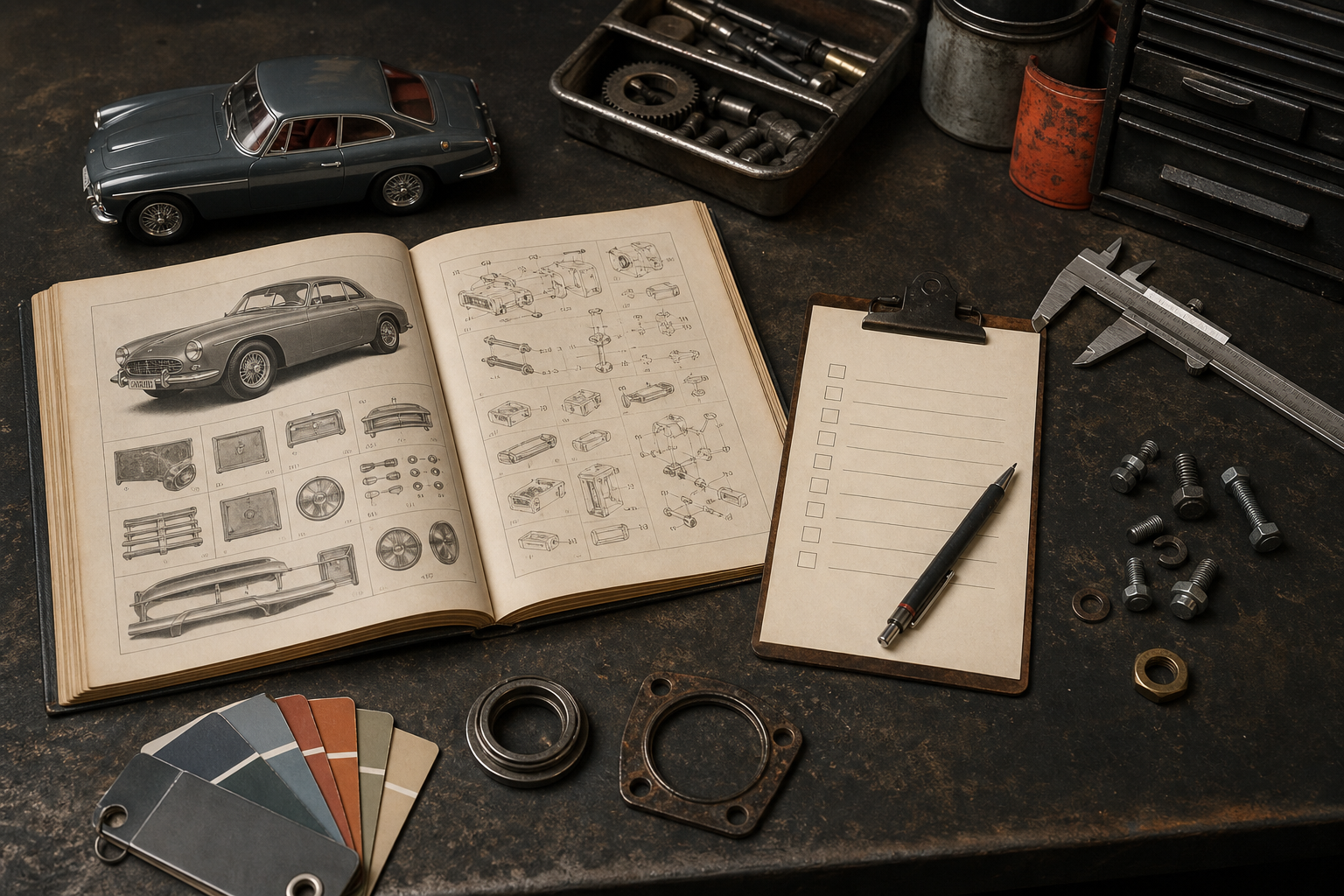
The archived Central Florida Customs brake and suspension page confirms historical work with four-wheel disc upgrades, coilovers, spring packages and four-link systems, while stressing that street, drag and road-course goals require different compromises.
Start with a condition inspection and a driving objective. A street car needs travel, compliance, predictable balance and serviceability; a competition setup may accept noise, harshness and narrow operating conditions that are poor choices for regular road use.
Review rotor and caliper package, master cylinder, booster or manual ratio, valves, lines, hoses, parking brake, fluid, wheel clearance and tire capability.
Match rate, travel, motion ratio, ride height and damping to vehicle mass, geometry, tires and road use.
Measure alignment range, bump steer, roll-center effects, steering clearance and how ride-height changes alter control-arm relationships.
Consider bushings, mounts, structural stiffness, wheel offset, tire construction and body clearance as part of the same package.
Identify wear, binding, previous modifications, wheel and tire dimensions, brake condition, ride height and alignment before selecting upgrades.
Separate daily or weekend street use from autocross, drag racing or sustained road-course use. Record ride and noise tolerance.
Choose components from the vehicle outward: geometry and mounting points, then spring/damper and brake hardware, then wheels and tires.
Verify full steering lock, suspension travel, hose routing, wheel-to-caliper clearance, tire-to-body clearance and service access.
Set ride height and alignment, bleed and bed brakes according to component instructions, then test progressively for balance and interference.
| Factor | Question | Why it matters |
|---|---|---|
| Use case | How much street driving versus competition? | Controls acceptable spring rate, travel, pad behavior, noise and heat range. |
| Tires | What grip and dimensions will the car use? | Tires set the real limit that brakes and suspension work against. |
| Wheel fit | Will the wheel clear calipers and suspension through travel? | Diameter alone does not prove spoke, offset or barrel clearance. |
| Pedal feel | Power assist or manual, and what ratio? | Master-cylinder bore and pedal geometry shape effort and travel. |
| Ride target | What comfort and noise are acceptable? | A package optimized for lap time can make a street car unpleasant and less usable. |
A brake kit may trigger wheel changes, new tires, line work, parking-brake adaptation and master-cylinder or pedal changes.
Suspension parts can require worn mounts, bushings, steering joints and structural areas to be repaired before upgrades are meaningful.
Ride-height changes can add clearance work, alignment parts and geometry correction beyond the spring and damper package.
Testing, bedding, alignment and refinement are part of the installation, not optional extras after parts are bolted on.
Rotor size can increase thermal and torque capacity, but stopping distance also depends on tire grip, balance, pedal system, pad behavior, road and driver input.
No. Benefits depend on geometry, motion ratio, spring and damper selection, travel, installation quality and adjustment. A poorly matched coilover can make the car worse.
Sometimes, but wheel diameter is only one dimension. Caliper face, spoke shape, barrel profile and offset must be checked with the exact wheel and brake template.
It is the distribution of braking effort between front and rear. Vehicle weight transfer, tire grip, hydraulic sizing and component choice all influence safe balance.
They should be planned together. Tire size and wheel offset affect clearance, scrub radius, ride height and available grip.
No. The site explains the confirmed historical direction and planning method. Current brands, packages, capability and availability are confirmed directly.
Share photographs, known history, current configuration, intended use and the result you want. Scope and availability are confirmed directly.