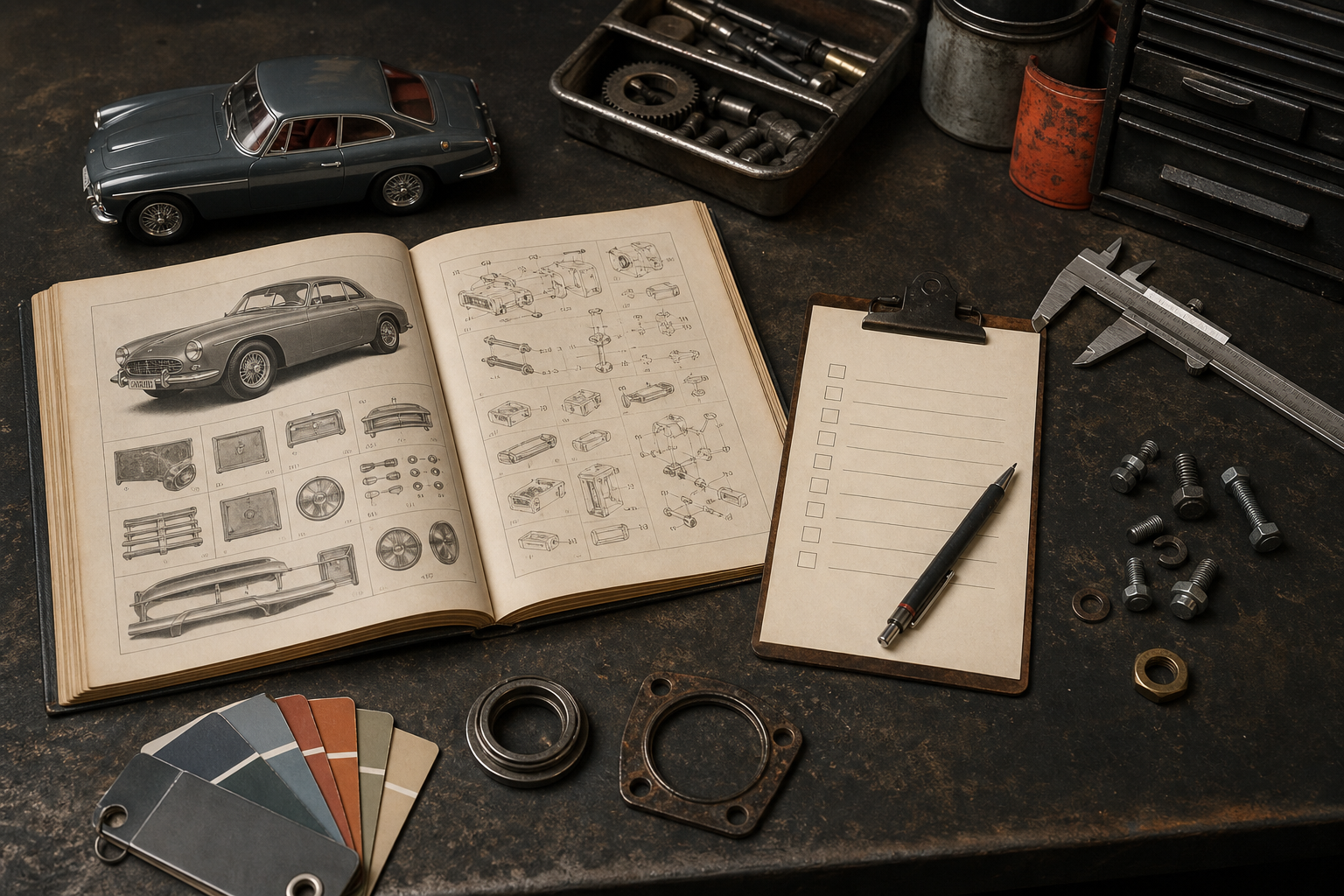
guide · In-depth guide
The Classic Car Restoration Process, Step by Step
Follow the major stages of a classic car restoration, from goals and inspection through disassembly, metal work, systems integration, paint and final assembly.
Read the guide →Six commercial topics, each supported by exactly three focused guides. Use them to compare scope, inspect condition and prepare better questions before a shop conversation.
Plan a condition-led classic car restoration in Apopka with scope, process, cost and timeline factors explained before major work begins.
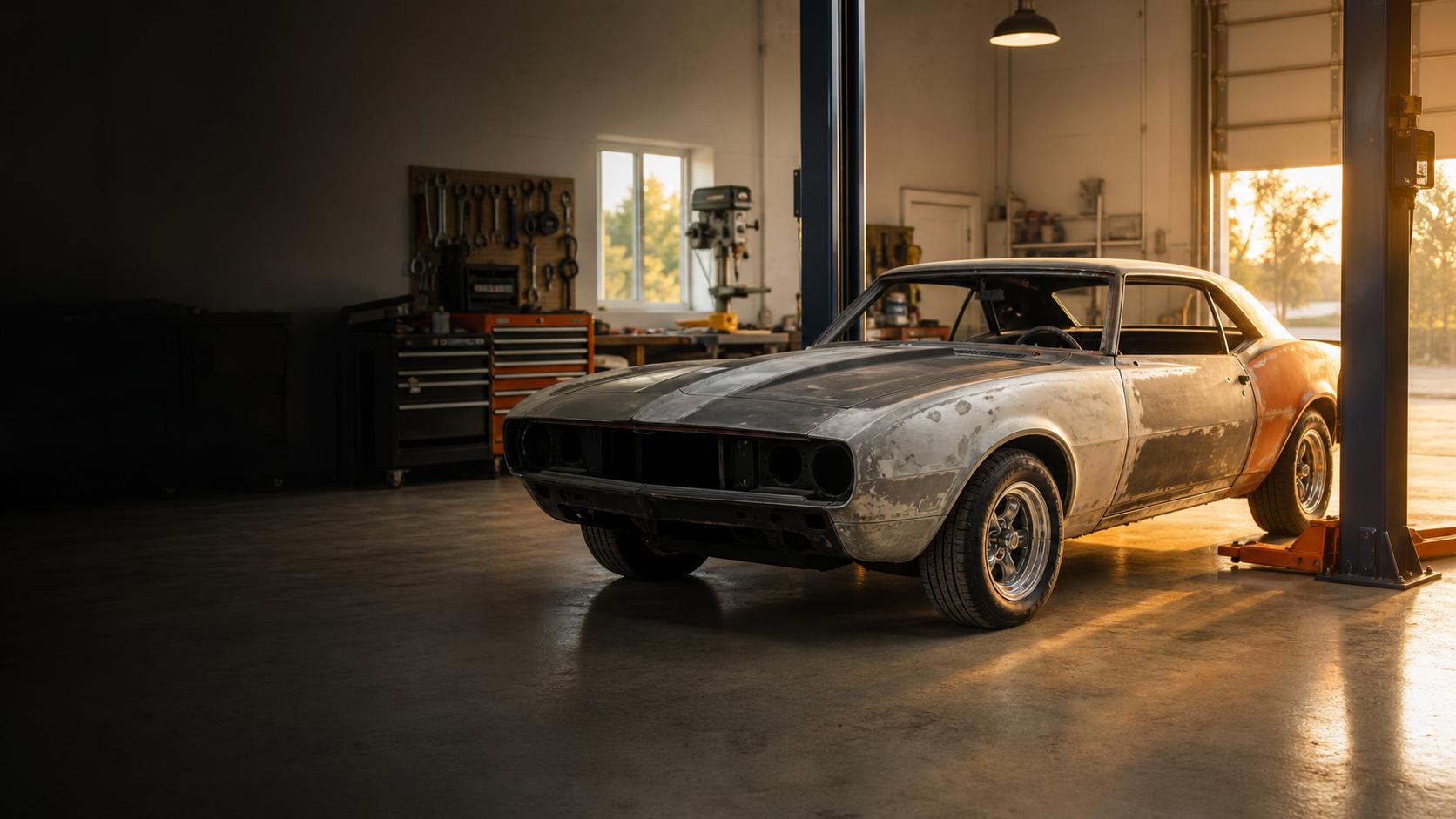
Follow the major stages of a classic car restoration, from goals and inspection through disassembly, metal work, systems integration, paint and final assembly.
Read the guide →Understand the condition, labor, parts, finish, scope changes and documentation factors that shape a classic car restoration budget.
Read the guide →Use a practical checklist to compare restoration shops, clarify scope, inspect documentation practices and set decision gates before committing a vehicle.
Read the guide →Plan classic car rust repair, panel replacement, fabrication and body alignment with an evidence-led process in Apopka, Florida.
Compare access, condition evidence, systems work, cost exposure and project goals before choosing frame-off or partial restoration.
Read the guide →Inspect seams, floors, mounts, cowl areas, wheel housings and prior repairs before restoration scope and paint decisions are finalized.
Read the guide →Compare surface-removal methods by substrate, residue, heat risk, corrosion exposure and the coating plan that must follow bare metal.
Read the guide →Plan body preparation, color, graphics, clearcoat and finish expectations for classic and custom vehicle paint work in Apopka, Florida.
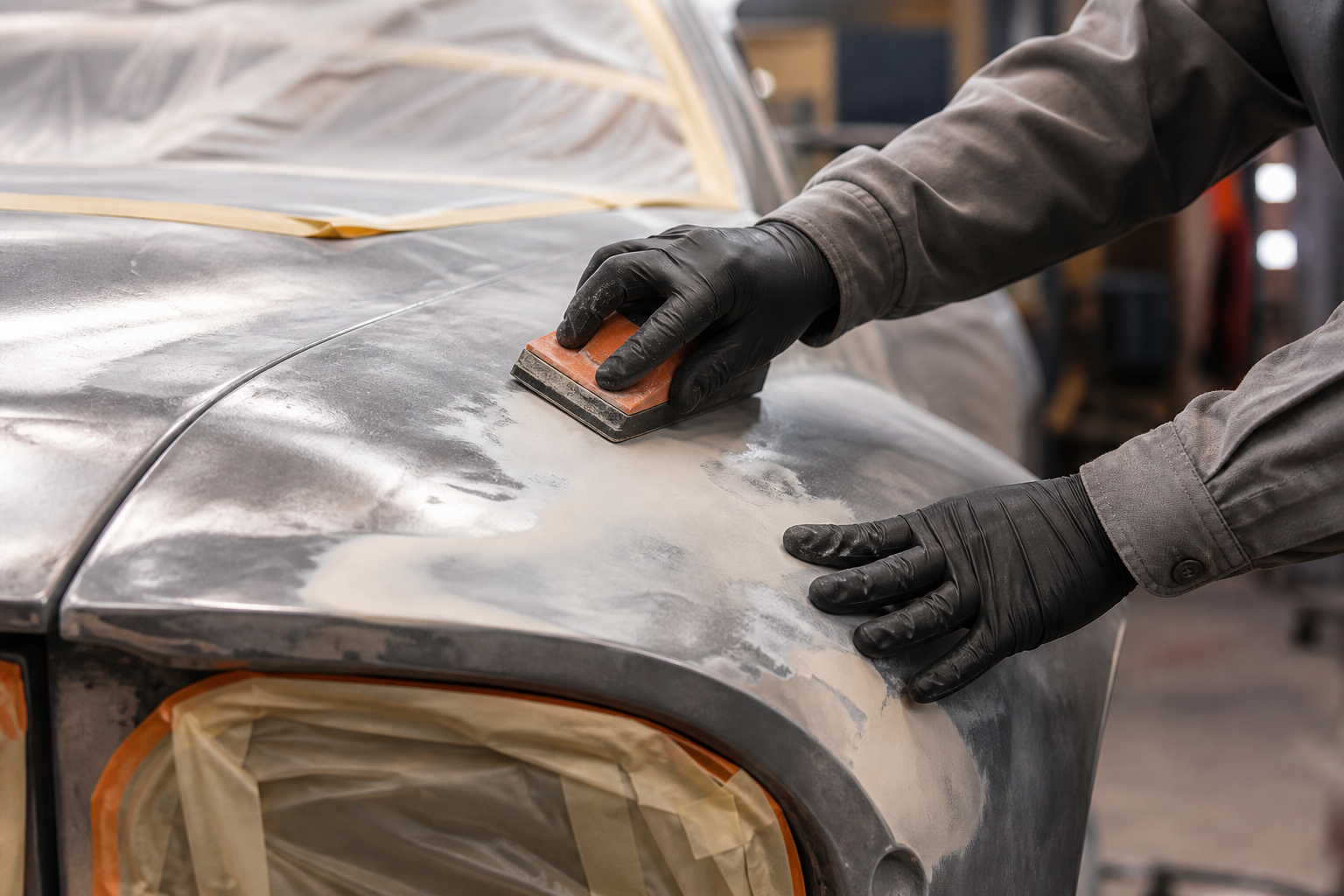
Learn how stripping, metal repair, epoxy primer, panel alignment, surfacing and block sanding create the foundation for classic car paint.
Read the guide →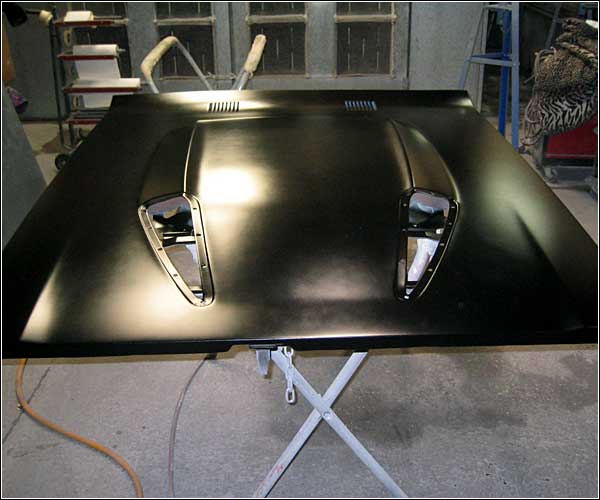
Compare appearance, repairability, UV protection, color goals and finish workflow when choosing a paint system for a classic car.
Read the guide →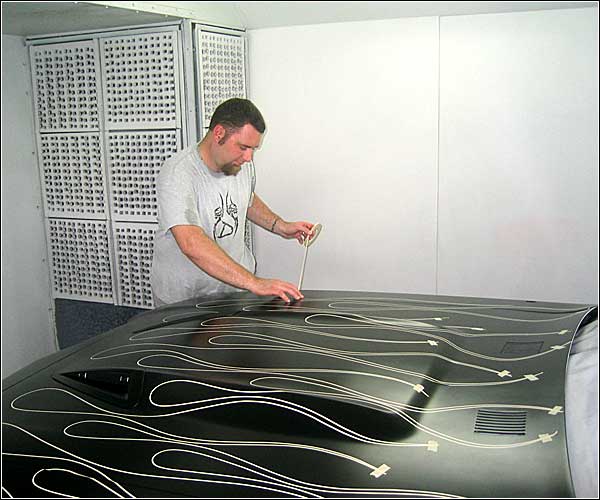
Turn color, graphics, stripe, sheen and panel-break ideas into a documented paint plan that can be mocked up and approved before spraying.
Read the guide →Plan an engine, transmission, rear axle and supporting systems package around intended use, reliability and drivability in Apopka, Florida.
Plan packaging, cooling, fuel, electrical, exhaust, transmission, rear axle, brakes and documentation before committing to a classic car engine swap.
Read the guide →Evaluate cruising rpm, axle ratio, tire diameter, packaging, controls and intended use before selecting an overdrive transmission.
Read the guide →Match axle ratio to transmission gearing, tire diameter, engine operating range and the balance between launch and highway cruising.
Read the guide →Plan brake, steering, spring, damper and chassis changes as one street-focused package for a classic or muscle car in Apopka, Florida.
Review wheel clearance, hydraulic balance, pedal ratio, booster choice, parking brake, tires and intended use before selecting a disc brake kit.
Read the guide →Compare packaging, adjustability, ride goals, geometry, serviceability and chassis requirements before choosing a classic car suspension layout.
Read the guide →Balance ride quality, grip, alignment, spring rate, damping, tire choice and chassis support around how the classic car will really be driven.
Read the guide →Plan a cohesive restomod that connects engine, drivetrain, cooling, electrical, brakes, suspension, wheels, tires, interior and finish.
Compare originality, driving goals, system integration, reversibility and long-term ownership before choosing restoration or restomod scope.
Read the guide →Define intended use, architecture, packaging, supporting systems, finish and documentation before buying the headline parts for a restomod.
Read the guide →Prioritize tires, brakes, steering, suspension, cooling, electrical capacity and drivability around how the vehicle will be used.
Read the guide →