01
Engine behavior
Define the usable rpm range, idle quality, fuel requirements, heat load, accessory needs and reliability target rather than chasing one peak output number.
An engine does not operate in isolation. A useful upgrade plan matches power and torque to the transmission, rear axle, cooling, fuel, exhaust, electrical capacity, tires, brakes and the way the car will actually be driven.
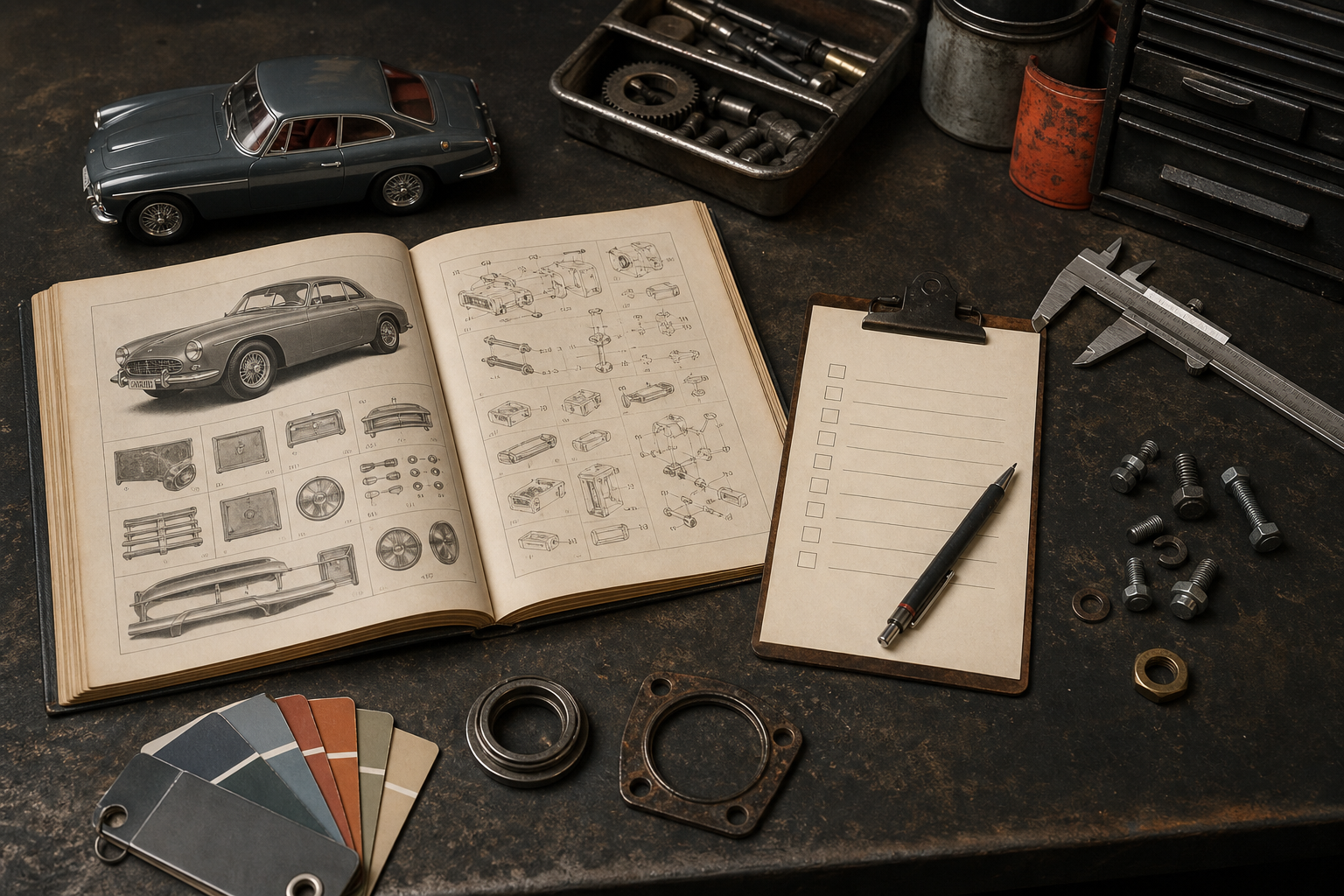
The archived Central Florida Customs engine and drivetrain page emphasizes intended use, streetability, engine operating range, transmission and rear gearing, reliability and realistic component selection rather than choosing parts from peak horsepower alone.
The right combination begins with vehicle mass, tire diameter, use, cruising speed, packaging and the owner’s tolerance for noise, heat, maintenance and drivability compromises.
Define the usable rpm range, idle quality, fuel requirements, heat load, accessory needs and reliability target rather than chasing one peak output number.
Match ratios, torque capacity, converter or clutch, controls, crossmember, tunnel clearance and driveshaft geometry to the engine and axle.
Evaluate strength, differential type, axle ratio and tire diameter together with first gear and overdrive.
Plan cooling, fuel delivery, exhaust clearance, electrical supply, instrumentation, brakes and tires before the main components are ordered.
Document street mileage, highway cruising, traffic, climate, performance expectations, fuel access and any competition use.
Record engine bay dimensions, mounts, tunnel, steering, front suspension, cooling opening, axle, brakes, wheel and tire package.
Calculate cruise rpm and overall first-gear multiplication using actual transmission ratios, axle ratio and tire diameter.
Verify engine position, driveline angles, header and steering clearance, accessory drive, service access and cooling layout before final finish.
Check fluids, controls, calibration, temperatures, leaks, vibration and brake/tire capability through a staged test plan.
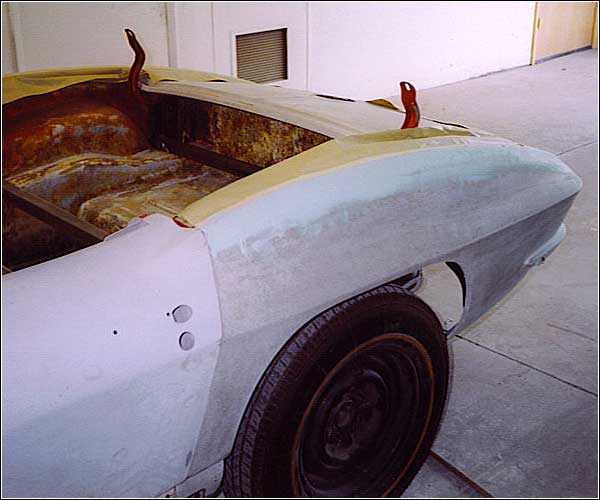
| Factor | Question | Why it matters |
|---|---|---|
| Actual use | Street, touring, drag strip, road course or mixed? | Each use rewards different torque, gearing, cooling and drivability choices. |
| Operating range | Where should the engine make useful torque? | A street car rarely benefits from power available only at extreme rpm. |
| Cruise behavior | What rpm, noise and heat are acceptable on the highway? | Transmission and axle ratios determine whether the car is comfortable at speed. |
| Packaging | What must move or be redesigned to fit? | Mounts, oil pan, headers, steering and accessories can dominate swap complexity. |
| System capacity | Can fuel, cooling, brakes and tires support the change? | Headline components are only as usable as the systems around them. |
Mounts, oil-pan clearance, accessory drives, headers, exhaust, cooling and fuel delivery can cost as much planning effort as the engine itself.
Transmission conversion may require controls, clutch or converter, tunnel work, crossmember changes, driveshaft work and speedometer integration.
Electrical and instrumentation scope changes sharply between a period-style package and a modern electronically controlled drivetrain.
Late discovery of gearing, brake, tire or heat limitations can force redesign after expensive components are installed.
There is no universal number. Vehicle weight, traction, gearing, intended use and the rpm range used on the street matter more than a peak dyno figure.
It can reduce cruise rpm, but the benefit depends on axle ratio, tire diameter, engine torque, converter or clutch behavior and the actual overdrive ratio.
Brake capability, tires and vehicle speed potential should be reviewed whenever performance changes. The answer depends on the complete car, not the engine alone.
Engine and transmission position, steering and header clearance, accessory drive, radiator and fan, fuel and brake routing, exhaust, shifter, pedals and service access.
The current site treats LS-swap demand within the broader engine and drivetrain planning page. Exact engine families, parts and current shop capability must be confirmed directly.
Provide vehicle year and model, current engine and transmission, axle ratio if known, tire size, intended use, desired cruise behavior and performance priorities.
Share photographs, known history, current configuration, intended use and the result you want. Scope and availability are confirmed directly.