01
Condition and access
Inspect corrosion, previous repairs, collision evidence, body alignment, mounts and hard-to-see cavities. Decide what can be verified before disassembly and what requires a formal discovery gate.
A complete restoration is not a paint job with extra steps. It is a controlled sequence that connects the vehicle’s condition, the owner’s goal, structural access, mechanical systems, finish work and the path back to a complete car.
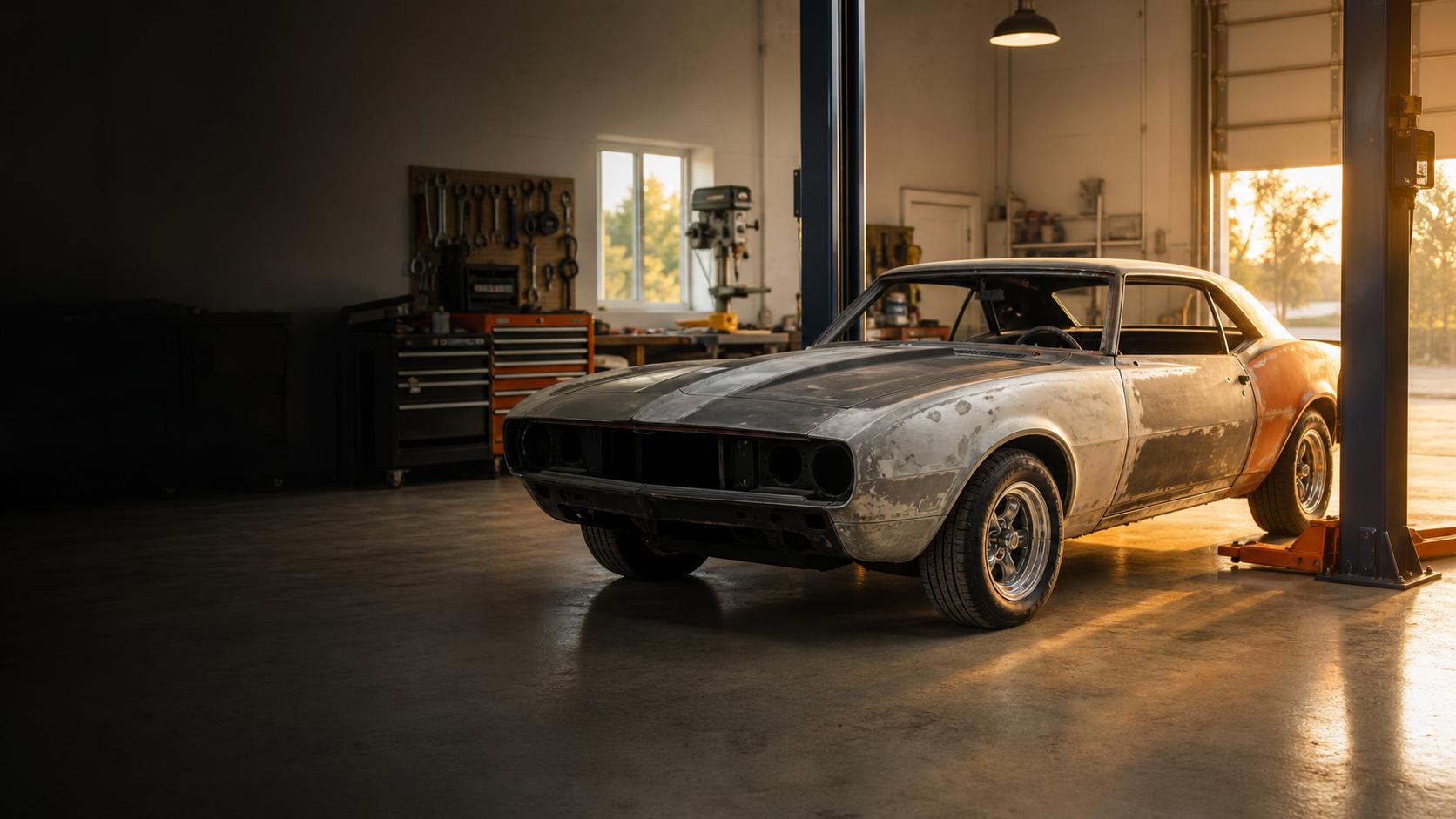
The original Central Florida Customs service page documented complete stripping, component assessment, body-to-frame separation where appropriate, epoxy protection, metal repair, panel alignment, surfacing, paint and reassembly. Current project fit and exact scope are confirmed directly.
The first task is to define what “restored” means for this vehicle. A preserved survivor, reliable weekend driver, factory-informed restoration and integrated restomod require different decisions even when the starting car looks similar.
Inspect corrosion, previous repairs, collision evidence, body alignment, mounts and hard-to-see cavities. Decide what can be verified before disassembly and what requires a formal discovery gate.
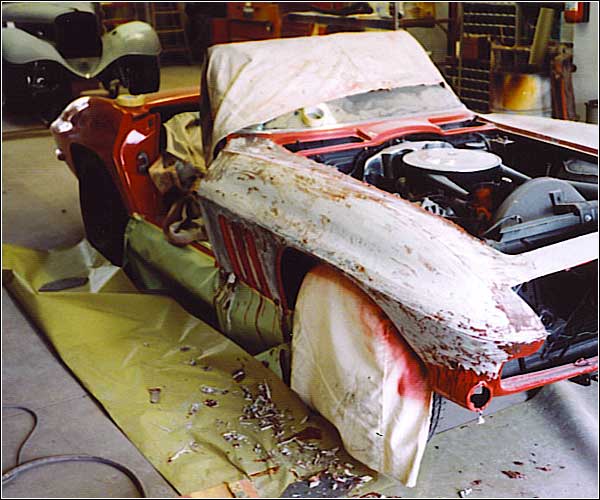
Coordinate stripping, rust repair, panel replacement, gap work, corrosion protection and mock-up before expensive finish materials limit access.
Treat the engine, transmission, rear axle, cooling, fuel, electrical, brakes, steering, suspension, wheels and tires as an interacting package.
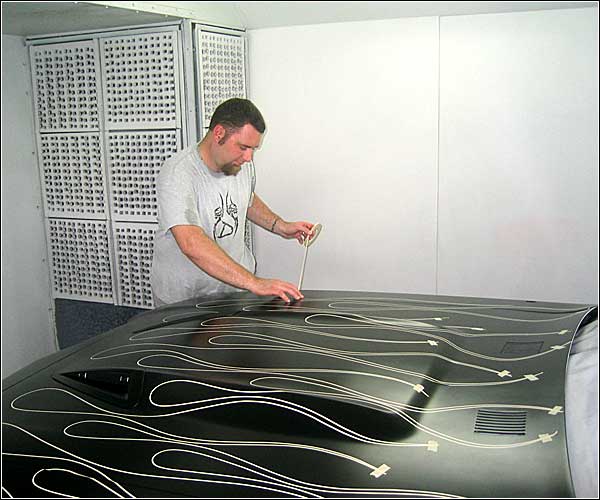
Set expectations for paint, trim, glass, interior interfaces, hardware finish and final detailing, then document the order required to assemble without damaging completed work.
Record how the car should look, drive and be serviced. Identify originality priorities, planned upgrades, practical constraints and decisions that must remain reversible.
Photograph the car, note missing or non-original parts, measure critical alignment points and separate visible facts from assumptions.
Authorize only enough disassembly or coating removal to answer the questions that control the rest of the scope. Review new evidence before expanding work.
Verify panel fit, drivetrain packaging, cooling, exhaust, steering, brake and electrical interfaces before final coatings and upholstery.
Move through primer, surfacing, paint and assembly in a planned order. Preserve part numbers, settings, routing and final decisions for later service.
| Factor | Question | Why it matters |
|---|---|---|
| Restoration level | Preservation, driver, factory-informed or modified? | Controls parts choices, finish expectations and acceptable changes. |
| Disassembly depth | What evidence requires body-off or complete access? | Changes labor, storage, documentation and reassembly exposure. |
| Original material | What must be retained, repaired or replaced? | Affects authenticity, fit, availability and metal-work time. |
| Systems plan | Which components must work together? | Prevents late packaging conflicts and mismatched performance. |
| Decision control | Who approves discoveries and alternatives? | Keeps changes visible before labor and parts commitments grow. |
Starting condition matters more than exterior appearance. Hidden corrosion, old filler, incomplete prior repairs and missing parts often become visible only after access improves.
Labor grows with disassembly depth, metal correction, panel fit, repeated mock-up, surface straightness and the standard expected in areas that are normally hidden.
Parts cost includes more than headline components. Fasteners, seals, clips, lines, mounts, connectors, finishing materials and freight can become a large share of the build.
Scope changes should be documented as new decisions. A realistic contingency is not permission to spend blindly; it is capacity to respond to evidence without stopping the project.
No. The correct access level depends on construction, condition, intended result and which systems require work. A partial restoration can be appropriate when evidence supports a narrower scope.
Only the verified portion can be scoped confidently. Hidden conditions should be handled through defined inspection and approval gates rather than ignored in the initial estimate.
Long-lead items may need early planning, but major component orders should follow enough inspection and packaging work to confirm that the chosen parts fit the whole system.
Useful records include intake photos, disassembly images, labels, measurements, parts decisions, change approvals and final component information for future service.
Sometimes. The decision depends on corrosion, stretching, access, prior repair and whether an available replacement can fit without creating more correction work.
Bring the year, make and model, current location, photographs, known history, running condition, intended use and the major result you want. Availability and fit are confirmed directly.
Share photographs, known history, current configuration, intended use and the result you want. Scope and availability are confirmed directly.