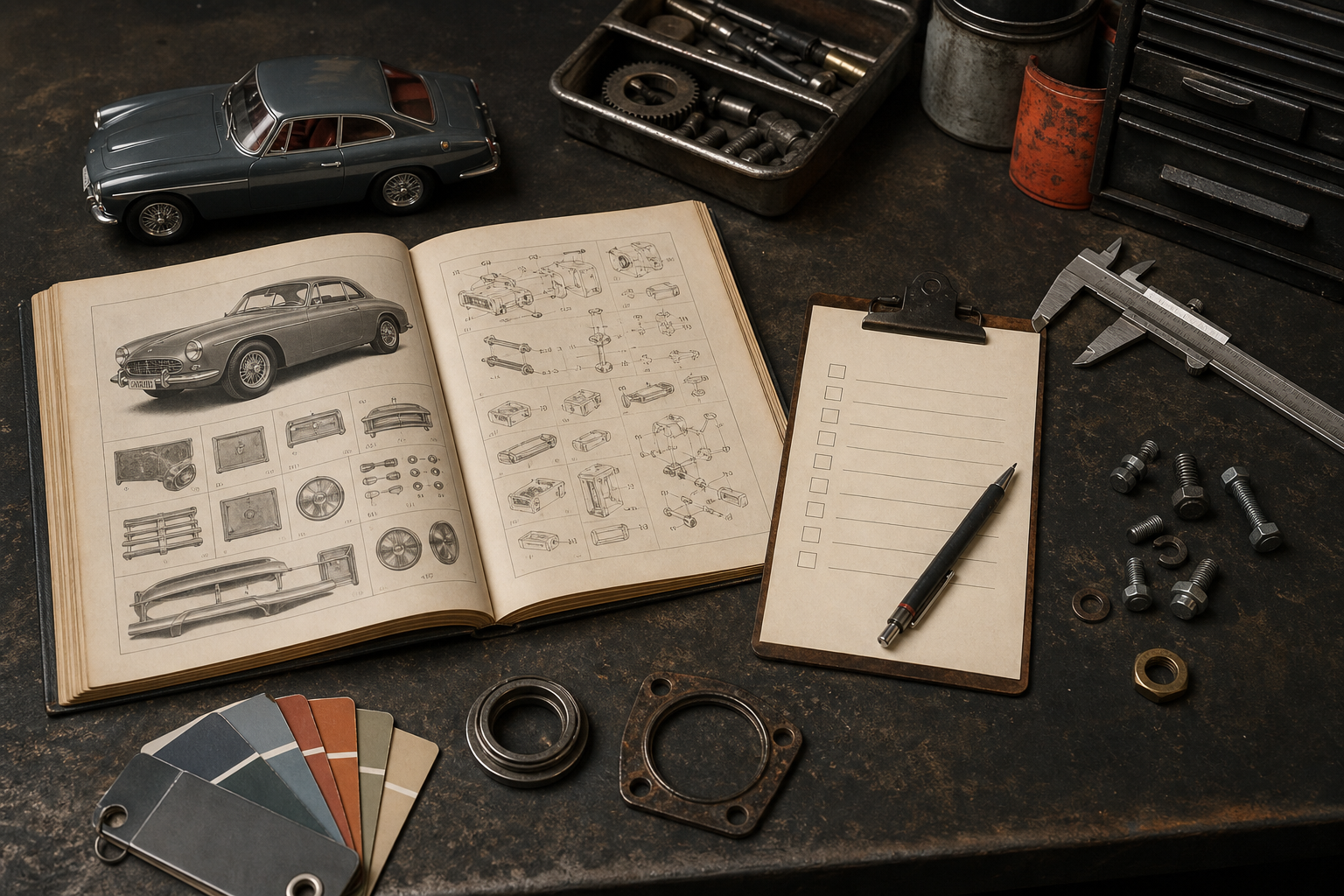
Compare scope, not totals
- Starting condition and required access control the amount of labor.
- Disassembly depth adds inventory, storage, inspection and reassembly.
- Parts cost includes fit correction, freight, missing hardware and supporting pieces.
- Finish standard changes preparation in visible and hidden areas.
- Discovery needs a written approval process rather than a blank contingency.
At-a-glance cost drivers
| Cost driver | Evidence to collect | Scope question |
|---|---|---|
| Condition | Photos, measurements, inspection and test areas | What is verified and what is inaccessible? |
| Depth | Systems and surfaces list | What comes apart, and what remains installed? |
| Parts | Inventory, availability and fit review | Who sources, approves and modifies each item? |
| Finish | References and physical samples | Which areas and straightness standard are included? |
| Integration | Component map and mock-up plan | Who owns interfaces between systems? |
| Discovery | Decision gates and change records | What triggers a revised scope? |
Starting condition
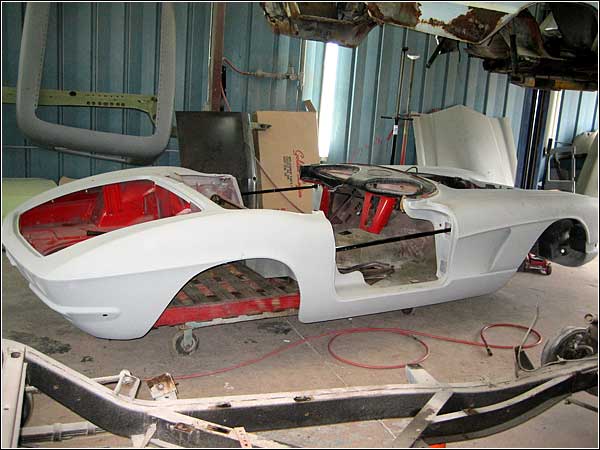
Corrosion, collision damage, missing components and previous repairs determine how much work is needed before cosmetic progress begins. A complete-looking car can still contain hidden structural needs, while a disassembled project can require substantial inventory and correction before work resumes. The useful estimate separates what an inspection can confirm from seams, cavities and coated areas that require controlled access.
Condition is also about reference information. An assembled but damaged car may still show original routing, shims and panel relationships. A basket-case project may have less rust but require time to identify loose parts, find missing hardware and reconstruct how systems were meant to fit. Both forms of uncertainty affect labor.
Restoration depth
A focused mechanical renewal, partial body restoration and complete body-off rebuild involve different access and sequencing. More disassembly adds photography, labeling, storage, refurbishment and reassembly decisions. It also exposes more adjacent work that may be sensible to address while access exists. The label matters less than the exact list of systems, surfaces and assemblies included.
Depth should follow evidence and outcome. A body-off process is not automatically superior, and a partial restoration is not automatically a shortcut. The appropriate level is the least access that can responsibly reach the verified condition and finish goal without trapping known problems behind completed work.
Parts, availability and fit
Parts cost includes more than the catalog price. Availability, freight, returns, repair of original components and modification of reproduction parts can affect labor and schedule. Trim, clips, fasteners, seals, lines, connectors, mounts, fluids and finishing hardware often form a substantial second inventory around the headline components.
Decide who sources each category and how owner-supplied components are evaluated. A part purchased years earlier may be useful, incorrect for the exact model, incomplete or incompatible with a later system choice. Early verification is cheaper than discovering the conflict after fabrication or paint.
Finish standard and visible area
A durable driver finish and a highly detailed show presentation demand different preparation, panel correction, test fitting and final detailing. The difference is not only gloss. It can include gap consistency, underside treatment, jambs, engine bay, trunk, hardware finish, body-color coverage, buried graphics, sanding and polishing targets.
Define the expected result with physical references before estimating body and paint work. Terms such as “show quality” do not establish measurable scope by themselves. A better brief names the areas included, the level of disassembly, the target for texture and straightness, and how color or graphics will be approved.
Systems integration
Restomods and upgraded drivers may require fabrication, wiring, calibration, cooling, fuel delivery, exhaust and packaging work. A component list is not an integration plan. Each interface needs an owner: mounts, signals, hose routes, clearances, gearing, electrical load, brake and tire capability, controls and future service access.
Budget for mock-up and testing so the completed systems function together. The extra assembly cycle can look inefficient on a schedule, but it is less expensive than cutting painted metal, moving upholstery or redesigning routing when components meet for the first time during final assembly.
Discovery, contingency and change control
A sound estimate identifies what is known, what is assumed and what requires access. Decision gates after inspection, disassembly or surface removal let the owner review evidence and authorize changes rather than accepting silent scope growth. Each change should record the finding, options, added or removed work, cost effect and schedule effect.
A contingency is useful, but it should not become an untracked allowance. Its size should reflect the amount of inaccessible condition and parts uncertainty. The owner should still approve the decision that uses it. If the project goal changes by choice, that change should be separated from condition-driven work.
Build a comparable estimate brief
Give each shop the same vehicle facts, photographs, intended use, originality requirements, finish references, desired systems and known parts. Ask each to state inspection limits, included disassembly, documentation, parts responsibility, outsourced services, exclusions, decision gates and billing method. Differences then become visible enough to discuss.
The lowest total can represent an efficient process, a narrower scope, optimistic assumptions or missing work. The highest total can represent more included work or simply a different risk approach. Compare the contracts and evidence, not the number in isolation.
Frequently asked questions
Why is there no universal classic car restoration price?
Two examples of the same model can differ in corrosion, prior repair, completeness, parts fit, finish goal and system changes. Price follows the verified scope, not the model name alone.
Can a shop give a fixed total before disassembly?
It can price verified work, but inaccessible conditions should be identified as assumptions or decision gates. A single guaranteed number may simply hide exclusions or risk.
What is usually the largest cost factor?
Labor for condition correction, fitting, preparation and assembly is often more influential than one major part. The answer changes with the starting vehicle and finish standard.
Do owner-supplied parts reduce the budget?
Sometimes, but incorrect, incomplete, damaged or incompatible parts can add evaluation, return, modification and storage work. Define responsibility before they enter the project.
How much contingency should an owner keep?
There is no responsible universal percentage. Base the reserve on inaccessible areas, parts uncertainty and the consequences of discoveries, then require approval before it is used.
How should estimates from different shops be compared?
Give each shop the same brief and compare included systems, access, finish standard, parts responsibility, outsourced work, documentation, exclusions and change-control process.
Define the scope before comparing totals.
Bring the same vehicle brief, finish target and known condition to every conversation.