01
Driving brief
Define traffic, highway, climate, trip length, passenger expectations, performance use and tolerance for noise, heat and maintenance.
A coherent restomod preserves the character the owner values while redesigning the systems that determine how the car starts, steers, stops, cools, cruises and can be serviced. It is a vehicle architecture decision, not a catalog shopping exercise.
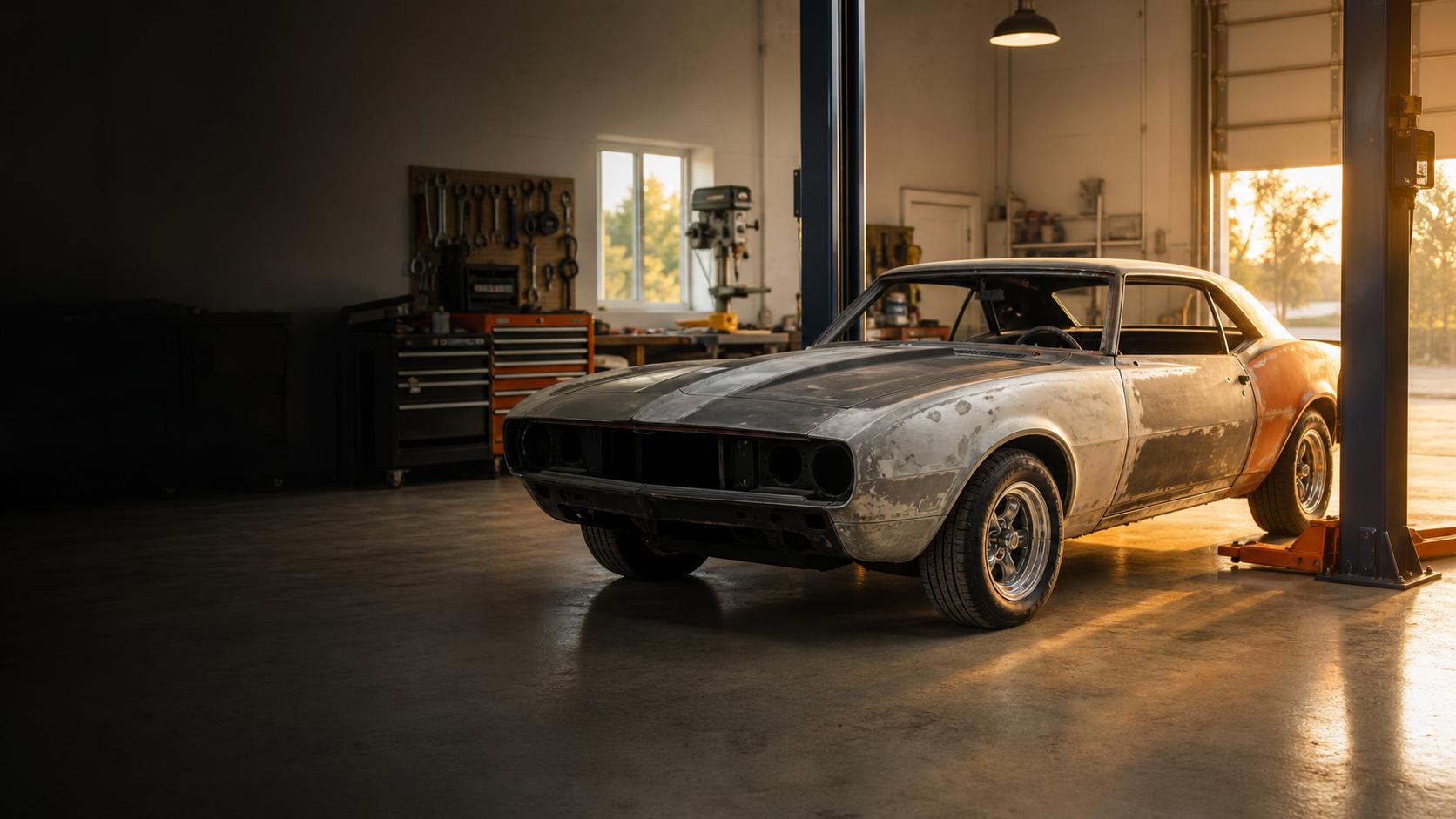
The original Central Florida Customs navigation and archived project pages identify restomod work and connected engine, drivetrain, brake and suspension upgrade directions. Current vehicle fit, exact systems and availability remain subject to direct confirmation.
The restomod plan should state what character stays and what behavior changes. That boundary guides component packaging, visual choices, reversibility, maintenance access and how much original material must be modified.
Define traffic, highway, climate, trip length, passenger expectations, performance use and tolerance for noise, heat and maintenance.
Map engine, transmission, rear axle, cooling, fuel, exhaust, electrical, brakes, steering, suspension, wheels, tires, controls and interior interfaces.
Choose what should remain period-correct, subtly modernized or intentionally custom across stance, wheels, trim, gauges, interior and finish.
Plan access, diagnostics, replacement parts, routing, documentation and future maintenance before custom fabrication closes spaces.
List the original details, driving behaviors and modern capabilities that matter most, then identify conflicts between them.
Confirm whether the structure and existing systems are suitable for the planned loads, packaging and finish standard.
Choose compatible engine, gearing, cooling, fuel, electrical, brake, suspension, wheel and tire targets before buying major parts.
Install or simulate mounts, accessories, radiator, exhaust, steering, pedals, wiring paths, controls, wheels and body clearances.
Test starting, charging, cooling, controls, alignment, brakes, vibration and drivability progressively before final delivery.
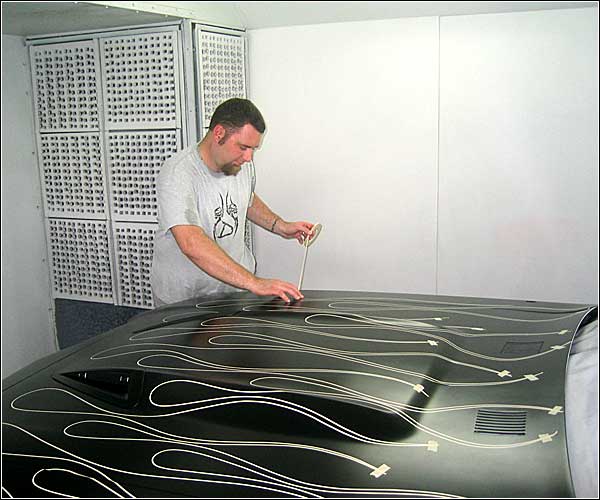
| Factor | Question | Why it matters |
|---|---|---|
| Character | Which original qualities must remain? | Provides a boundary for visible and irreversible changes. |
| Use | What should the car do better? | Prevents upgrades that add complexity without solving a real need. |
| Integration | Which systems depend on each choice? | An engine, wheel or ride-height decision affects many downstream packages. |
| Reversibility | Which modifications can or should be undone? | May influence fabrication, retained parts and documentation. |
| Maintenance | Who will service the finished car? | Access, diagnostics and parts sourcing determine long-term usability. |
Modern components create supporting work in mounts, cooling, fuel, exhaust, wiring, controls and instrumentation.
A lower stance or larger wheel package can require geometry, body and steering changes beyond the visible parts.
Mixing suppliers shifts integration responsibility to the build. Complete-looking kits still require vehicle-specific validation.
Custom fabrication, repeated mock-up and documentation are the work that makes disparate systems behave like one car.
Finish choices also affect integration cost. Hiding modern controls, preserving original trim, routing systems out of sight and protecting painted or upholstered areas usually requires more mock-up than an intentionally visible performance build.
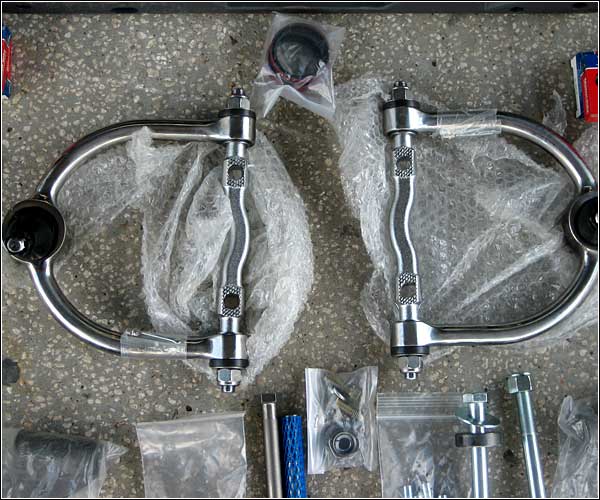
Restoration prioritizes returning or preserving an earlier specification; a restomod intentionally integrates modern behavior or components while retaining classic identity. Many projects sit between those endpoints.
It should start with the use case and system map. Engine choice influences transmission, axle, cooling, fuel, exhaust, electrical, brakes, tires and packaging.
Yes. Modernization can be visually subtle, but packaging, controls and service access still need careful planning behind the appearance.
Some can be, while others require cutting, welding or permanent changes. Reversibility should be decided before fabrication and original parts should be documented.
Condition and safety set the order. Tires, brakes, steering integrity, cooling and electrical reliability often deserve attention before headline performance parts.
No. It documents a confirmed historical direction and a planning approach. Current scope, vehicle fit, parts, schedule and availability must be confirmed directly.
Share photographs, known history, current configuration, intended use and the result you want. Scope and availability are confirmed directly.