01
Surface foundation
Confirm metal repair, filler, epoxy, surfacer, block sanding, edges, jambs and panel alignment before color decisions become irreversible.
A durable custom finish begins long before color enters the spray gun. Metal condition, panel fit, surfacing, material compatibility, color approval, graphics layout and the clearcoat plan all need to be resolved as one controlled system.
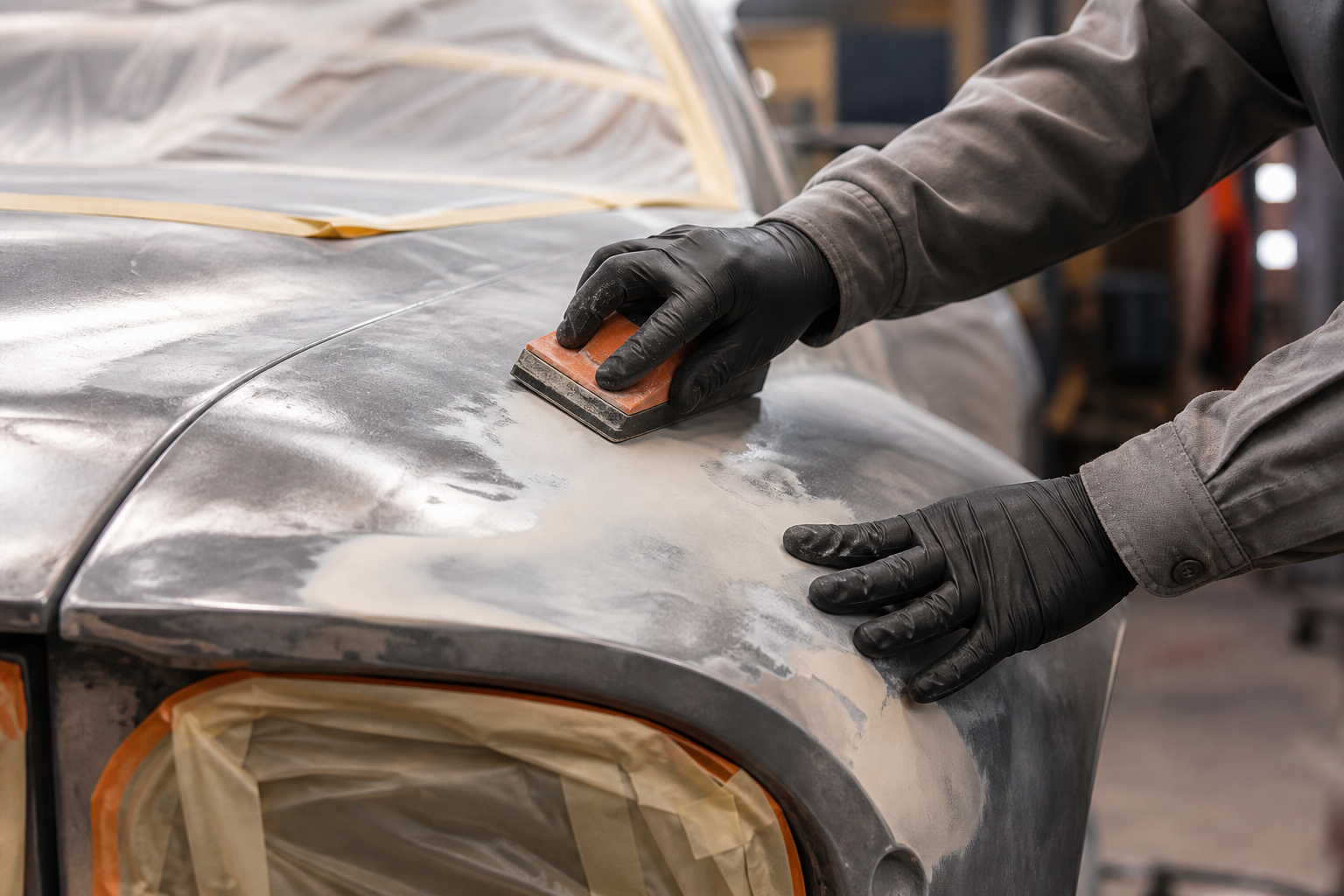
The archived Central Florida Customs custom paint page confirms historical work involving single colors, two-tones, graphics, flames and artwork, with emphasis on preparation, compatible paint-system procedures, clearcoat, curing, sanding and polishing. Current materials and availability are confirmed directly.
Custom paint scope should define the physical finish and the approval process. Color name alone is not enough: substrate, primer shade, spray-out, graphic placement, clear depth, texture target and future repairability all affect the result.
Confirm metal repair, filler, epoxy, surfacer, block sanding, edges, jambs and panel alignment before color decisions become irreversible.
Use spray-outs and controlled lighting to evaluate solid, metallic, pearl or candy effects on the actual material stack.
Map stripes, two-tones, artwork and pinstriping across assembled panels so lines remain intentional through gaps and body contours.
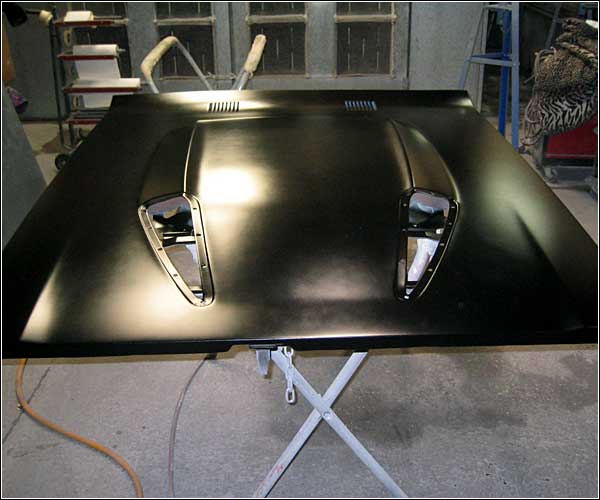
Plan clear application, cure, sanding, polishing and whether artwork must be buried under additional clear for a level final surface.
Finish structural and body corrections first. Verify openings, edges and panel relationships under guide coat and appropriate lighting.
Choose compatible cleaners, primers, sealers, base and clear according to current product instructions and environmental controls.
Test color and effect on sample panels using the intended ground coat, application method and clear so the approval reflects the finished stack.
Mock up breaks and artwork at full scale. Confirm how lines cross doors, hoods, deck lids and curved transitions before masking begins.
Allow the coating system to cure as specified, then sand and polish to the agreed finish while preserving sufficient film build.
| Factor | Question | Why it matters |
|---|---|---|
| Finish goal | Factory character, custom color or show-oriented effect? | Controls material choice, surface standard and repair strategy. |
| Color approval | How will the owner approve color under real lighting? | Screens and small color chips cannot reproduce every automotive effect. |
| Panel strategy | Will panels be painted assembled or apart? | Changes access, color orientation, edge coverage and reassembly risk. |
| Graphics | How are breaks registered across movable panels? | A design can look correct closed and misalign when gaps or positions change. |
| Future service | Can the finish be identified and repaired later? | Mix records and process notes make later touch-up more predictable. |
The required straightness and correction beneath the paint usually drive more labor than spraying the color itself.
Jambs, undersides, engine bays, trunks and individually painted pieces expand masking, handling and booth cycles.
Complex effects and graphics add spray-outs, layout, masking, intermediate clear and approval steps.
Disassembly and reassembly must protect fresh surfaces while restoring weatherstrips, trim and alignment.
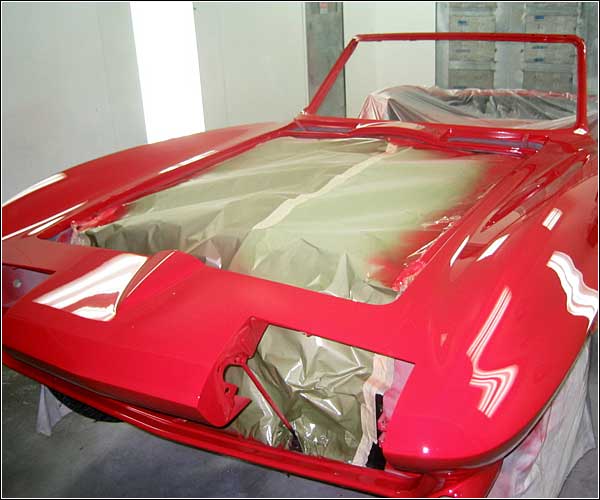
A screen can help narrow direction, but it cannot reliably show metallic orientation, pearl flop, transparency or how the color behaves under sun and shade. Use physical spray-outs.
No. Gloss and reflections make waves, edges and alignment more visible. The surface foundation must meet the intended finish standard before color.
It is a physical sample built with the planned ground coat, color application and clear. It allows the owner and painter to approve the actual effect.
Many layered designs are cleared, leveled and sometimes re-cleared so transitions cannot be felt. The exact method depends on materials, film build and the design.
A formula alone may not capture every application variable, but material, variant, mix and process records make future matching and repair more repeatable.
No. The archived site confirms the historical service direction. Current materials, project fit, scheduling and exact scope must be confirmed directly.
Share photographs, known history, current configuration, intended use and the result you want. Scope and availability are confirmed directly.