What can be responsibly learned
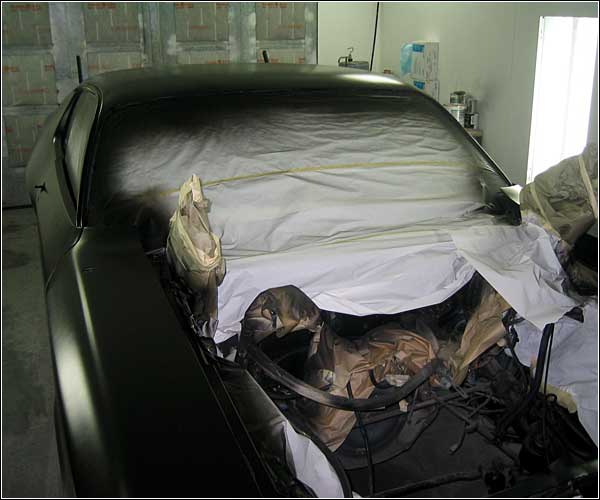
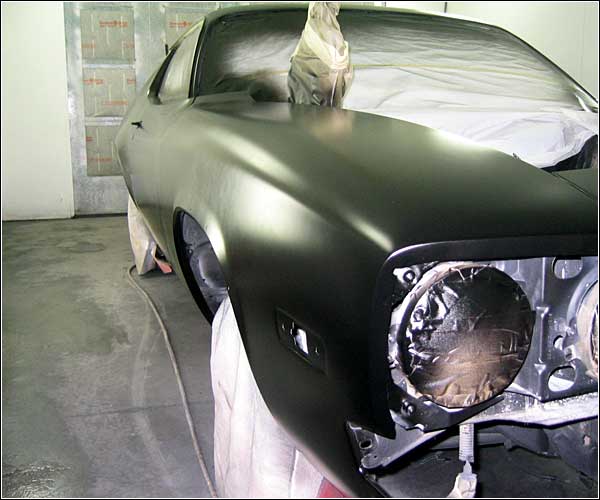
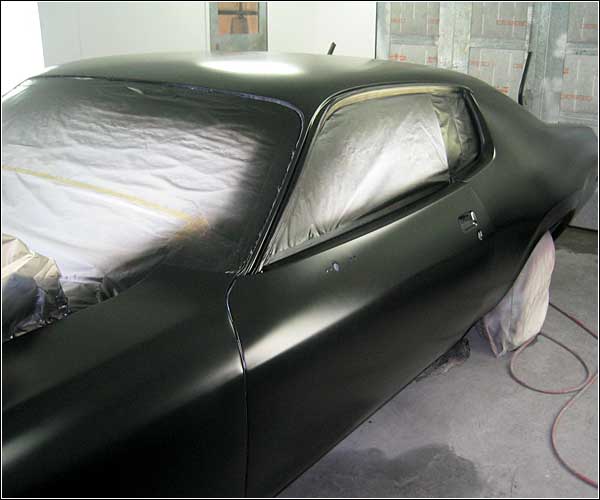
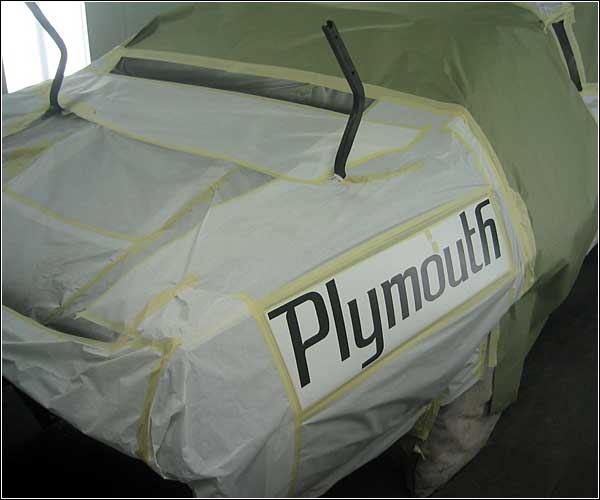
The archived title and directory name identify a 1973 Plymouth project; the old site navigation described the car as a Road Runner custom project.
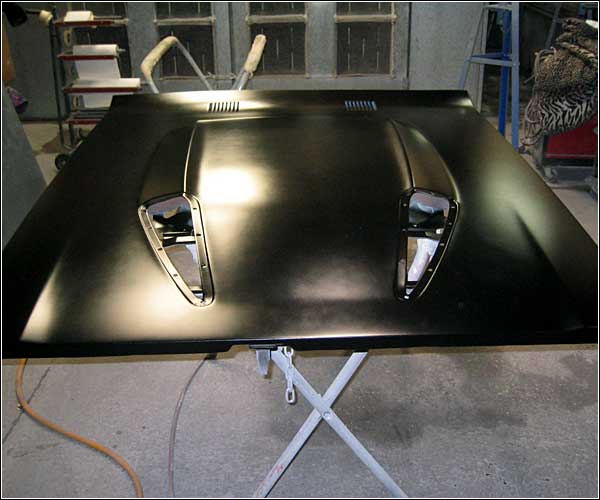
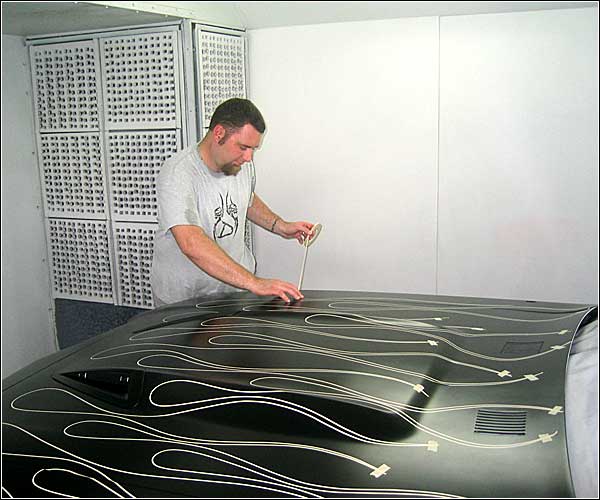
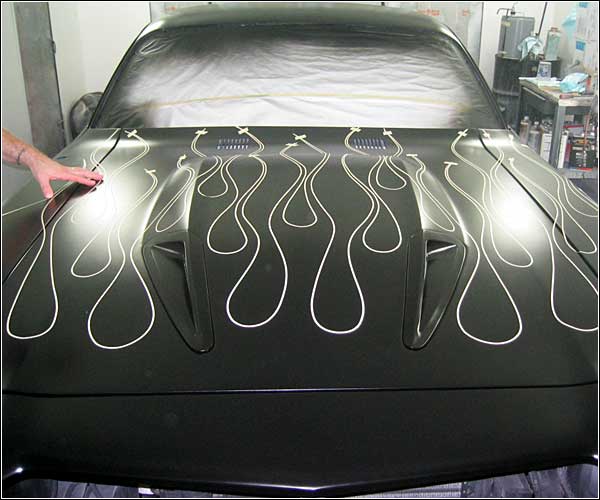
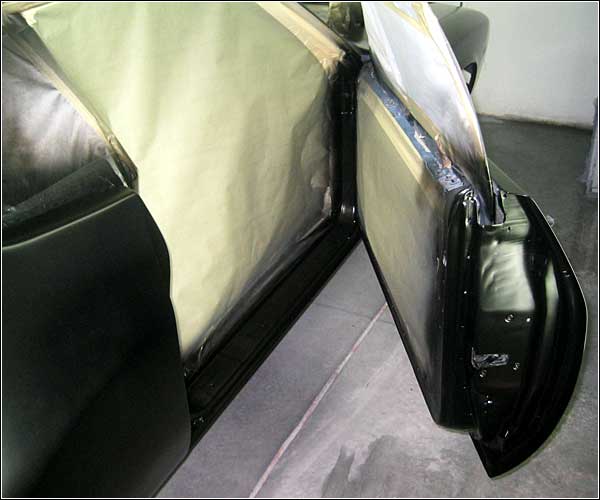
The photographs are displayed by their gallery number rather than given speculative step labels. A picture can document a view without proving every operation performed before or after it.
Any owner considering similar work should use the images as evidence of historical project activity, then confirm current vehicle fit, scope and availability directly.
Body, systems and sequence context
Classic restoration work normally crosses structure, body fit, coatings, mechanical systems and assembly. The broader archived service pages document those historical service directions, but this vehicle page does not assign a specific operation to an image unless the recovered record states it.
That distinction matters. A useful project page should increase trust by showing the source and its limits, not convert an old photograph into an unsupported claim about materials, specifications, awards or final performance.
Planning a similar vehicle
Use a current inspection to define the scope for a different car. Two vehicles of the same year and model can have very different corrosion, prior repair, missing parts and owner goals. Bring photographs, known history, current configuration and intended use to the first conversation.
A useful first review should also identify which areas remain inaccessible, which original features matter to the owner and whether the goal is preservation, a reliable driver, factory-informed restoration or an integrated restomod. Those choices determine what the historical gallery can inspire and what must be decided from the current vehicle alone.
Discuss the vehicle you have.
Historical gallery evidence does not guarantee current availability or an identical scope.